Spray foam insulation is becoming a go-to solution for those looking to reduce their carbon footprint while improving the energy efficiency of their homes and businesses. As an eco-friendly option, spray foam helps minimize energy consumption, reduces waste, and lowers greenhouse gas emissions. In this blog, we’ll explore the environmental benefits of this versatile insulation method and why it’s an excellent choice for sustainable living.
Improved Energy Efficiency
One of spray foam insulation’s most significant environmental benefits is its ability to improve energy efficiency drastically. This type of insulation provides an airtight seal that helps reduce the amount of heat escaping from your home or building during the winter and minimizes the heat entering during the summer. This leads to lower energy consumption, reducing the need for heating and cooling systems to work harder. Over time, this results in a significant reduction in your carbon footprint.
Additionally, choosing the right insulation method can help prevent over-reliance on fossil fuels, further lowering your household’s or business’s environmental impact. For those in South Carolina, considering options like spray foam insulation Greenville SC can be a great step towards a more energy-efficient and sustainable future.
Reduction of Waste
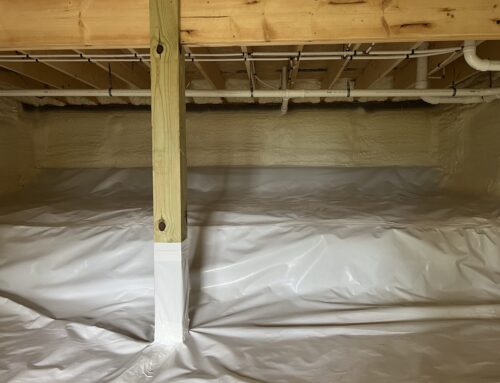
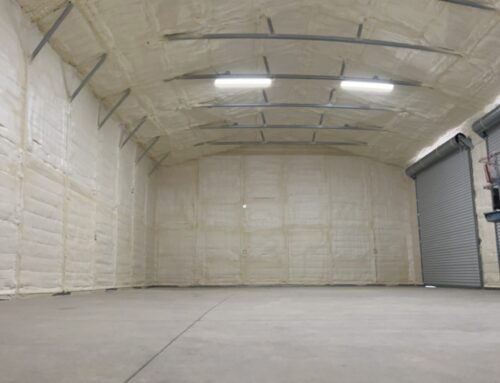
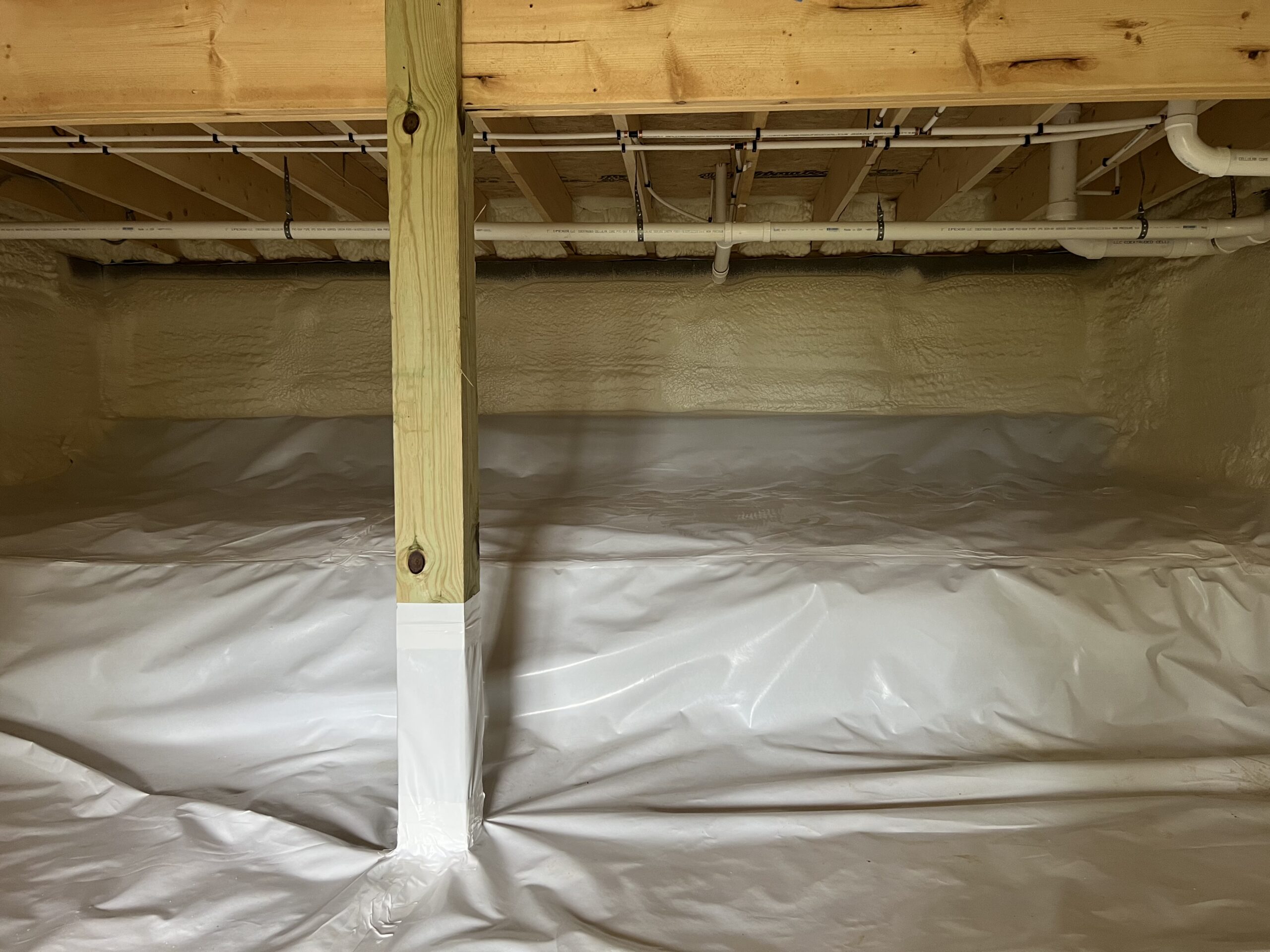
When it comes to waste reduction, spray foam insulation offers clear advantages. Unlike traditional insulation materials like fiberglass or cellulose, spray foam creates minimal waste during installation. The foam is sprayed directly onto the surface, expanding to fill gaps, cracks, and voids. This eliminates the need for cutting, fitting, and trimming, which often results in significant leftover materials.
Moreover, spray foam’s long-lasting performance means it doesn’t need to be replaced as frequently as some other insulation materials, further reducing the amount of waste generated over time. A home or building insulated with spray foam can remain efficient for decades, reducing the demand for new materials and limiting landfill waste.

Long-Term Durability
Spray foam insulation doesn’t just excel at energy efficiency and waste reduction—it also offers long-term durability. Its lifespan typically outlasts that of other common insulation types, meaning fewer resources are required for maintenance or replacement. This durability contributes to sustainability by reducing the need for frequent insulation updates, ultimately lessening environmental strain.
Since spray foam is resistant to moisture and mold, it also improves indoor air quality while protecting the structural integrity of your home or building. This means you’ll face fewer environmental hazards like mold removal or damaged materials, which can result in less resource usage and lower overall environmental impact.
Supporting Sustainability
Beyond energy savings, waste reduction, and durability, spray foam insulation supports a more sustainable lifestyle. As homes and businesses look for ways to reduce their impact on the environment, insulation solutions that minimize energy use and material waste become increasingly valuable.
Incorporating spray foam into your structure’s design can significantly lower energy bills and carbon emissions, contributing to overall sustainability goals. The versatility of spray foam also means it can be applied to new builds or retrofitted into existing structures, making it accessible for a wide range of projects.