Crawl spaces are often overlooked in home maintenance, but their condition can significantly impact the overall health and efficiency of your home. Proper crawl space care can prevent costly issues such as mold, pests, and structural damage. In this blog, we’ll cover the best practices for maintaining your crawl space to ensure it contributes to the longevity and efficiency of your home.
Ensure Proper Ventilation
One of the first steps in crawl space maintenance is ensuring proper ventilation. Crawl spaces tend to trap moisture, which can lead to mold growth, wood rot, and even pest infestations. Installing vents or checking the functionality of existing ones can help air circulate and keep moisture levels down. Proper airflow is essential for maintaining the structural integrity of your home and preventing moisture-related damage.
Address Moisture Control
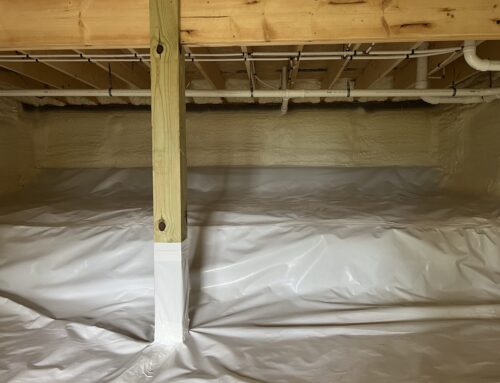
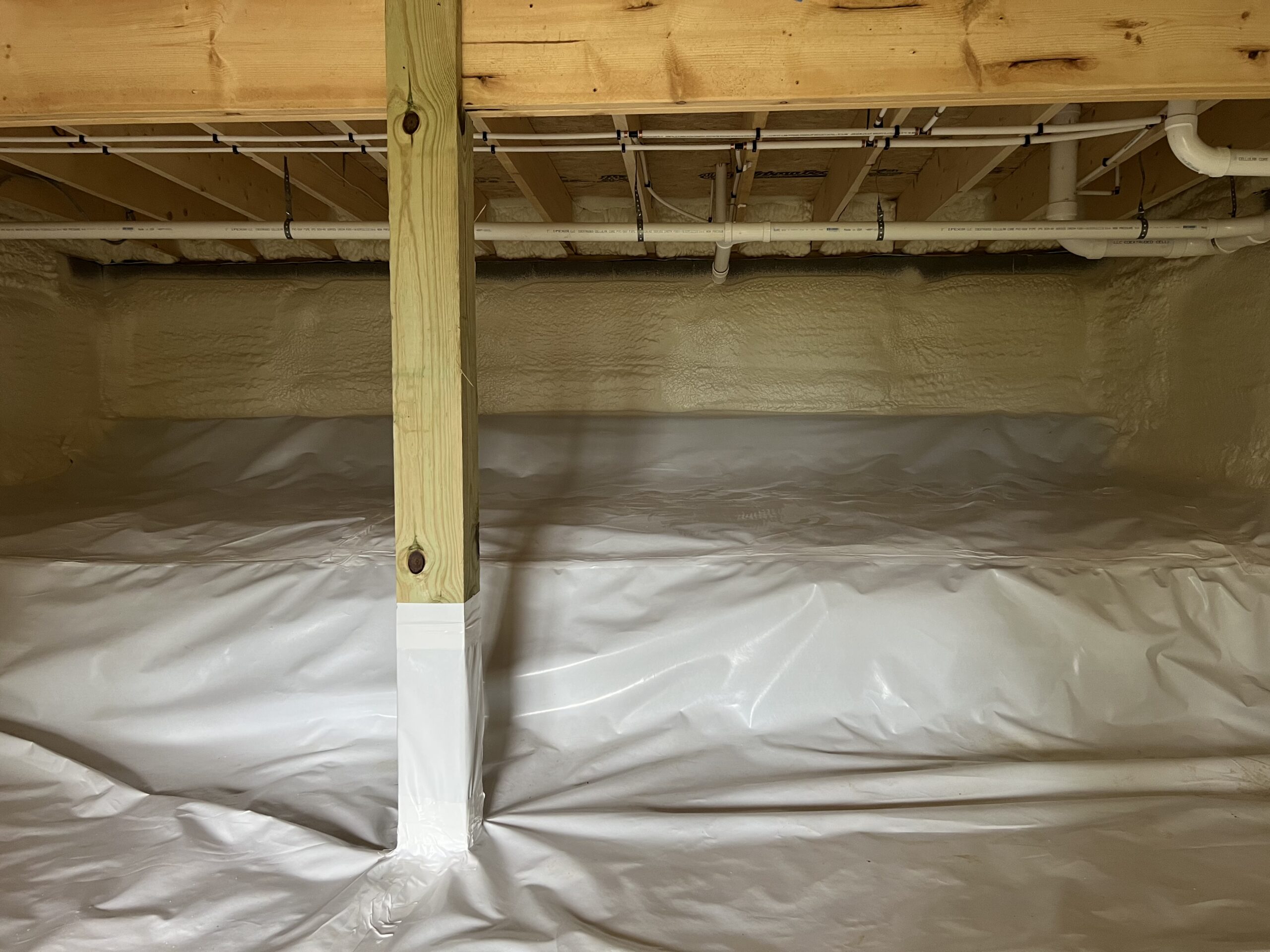
Excess moisture in a crawl space can cause various problems, including mold growth and wood decay. To combat this, consider installing a vapor barrier on the ground to block moisture from the soil. Regularly checking your home’s drainage systems, such as gutters and downspouts, is also critical to keeping water away from the foundation. For homes in particularly humid climates, dehumidifiers specifically designed for crawl spaces can also be a valuable investment.
If your crawl space often deals with persistent moisture issues, crawl space encapsulation Greenville sc could be the ideal solution. This method involves completely sealing the crawl space, which helps manage humidity and prevent moisture from entering. By creating a protective barrier, encapsulation not only resolves ongoing moisture concerns but also enhances indoor air quality and preserves the structural integrity of your home for the long term.
Insulate for Energy Efficiency
Proper insulation in your crawl space can drastically improve your home’s energy efficiency. Many older homes lack sufficient insulation in crawl spaces, leading to heat loss in the winter and excessive heat gain in the summer. By adding insulation, you can regulate temperatures better, reduce your energy bills, and make your home more comfortable. Spray foam and rigid foam board insulation are some of the most effective types for crawl spaces, providing a good barrier against moisture while improving thermal efficiency.
Regular Inspections
Routine inspections are a vital part of crawl space maintenance. A thorough inspection will help you catch issues early before they lead to significant damage. Check for signs of water leaks, pest activity, mold growth, or any structural concerns. Inspecting the condition of your insulation and vapor barrier is also important to ensure they’re still functioning as intended. Experts recommend scheduling a professional crawl space inspection at least once a year to maintain optimal conditions.

Keep the Area Clean and Dry
A well-maintained crawl space should be free of debris, standing water, and excessive dirt. Keeping the space clean reduces the risk of pests and allows for easier inspections and repairs. If water accumulates, you should address the source of the leak immediately. Adding a sump pump can also help manage water in crawl spaces that are prone to flooding.
Improve Structural Integrity
Over time, issues like wood rot and moisture damage can compromise the structural integrity of your crawl space, which can affect the foundation of your home. Keeping moisture under control with vapor barriers, encapsulation, and proper drainage systems helps preserve the materials and structure of your home. Regular maintenance of support beams and joists can extend the life of your crawl space and prevent costly foundation repairs down the line.
For more detailed information about crawl space and its role in home construction, refer to this useful article on Wikipedia.