Homeowners often seek effective solutions to insulate their homes while also keeping pests at bay. One popular choice is spray foam insulation, which is known for its superior sealing properties. However, understanding how it interacts with pests is crucial for making informed decisions. This blog explores the relationship between spray foam insulation and pest control, providing valuable insights for homeowners.

The Benefits of Spray Foam Insulation
Spray foam insulation offers numerous advantages beyond just temperature regulation. Its ability to create an airtight seal makes it an effective barrier against various pests, including rodents and insects. Unlike traditional insulation materials such as fiberglass or cellulose, spray foam is less likely to attract pests due to its synthetic composition. This characteristic makes it a preferred choice for homeowners looking to enhance their home’s energy efficiency while minimizing pest problems.
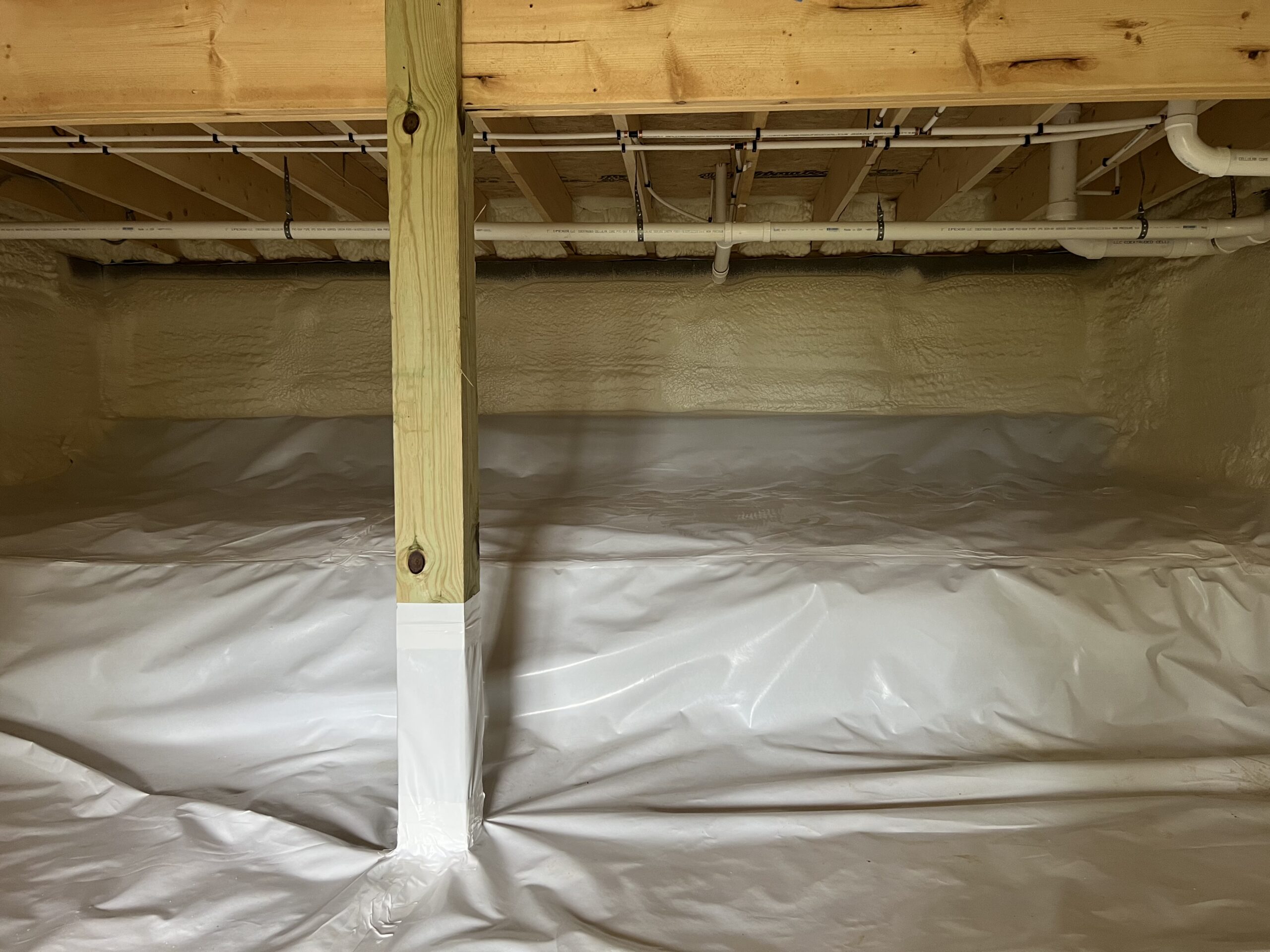
The dense structure of closed-cell spray foam creates formidable barriers that pests find difficult to penetrate. This insulation type not only improves energy efficiency but also reduces the likelihood of infestations by sealing off gaps and cracks where pests might enter. Homeowners can enjoy a more comfortable living environment while also benefiting from reduced energy costs.
How Spray Foam Insulation Keeps Pests Out
One of the primary reasons homeowners choose spray foam insulation Greenville SC is its effectiveness in preventing pest entry. The material expands upon application, filling even the smallest crevices that could serve as entry points for rodents and insects. By eliminating these gaps, spray foam significantly reduces the chances of infestations.
Moreover, pests such as mice and rats are not attracted to spray foam because it does not provide any food value. Unlike cellulose insulation, which can be appealing to rodents due to its organic nature, spray foam remains unappealing to these creatures. This lack of attraction is a significant advantage when considering long-term pest management strategies.
Challenges with Termites and Other Pests
While spray foam insulation effectively deters many pests, it is not entirely foolproof. Termites, in particular, can pose a challenge as they may tunnel through open-cell spray foam if they find it in their path. Homeowners should be aware that while spray foam does not attract termites, it can provide a suitable environment for them if they are already present.
To combat this issue, homeowners can treat open-cell spray foam with pest-blocking chemicals during installation. These treatments can help prevent termite infestations by making the material less hospitable to these destructive pests. Additionally, opting for closed-cell spray foam can provide a more robust defense against termites due to its denser structure.
Importance of Regular Inspections
Even with the advantages of spray foam insulation, regular inspections are essential for maintaining a pest-free home. Homeowners should conduct periodic checks for signs of pest activity, especially in areas where insulation has been installed. This proactive approach allows for early detection and intervention before infestations become severe.
In addition to visual inspections, it’s wise to engage pest control professionals who can provide comprehensive assessments of potential vulnerabilities in the home. They can recommend additional measures or treatments that complement the benefits of spray foam insulation.
Complementary Pest Control Strategies
While spray foam insulation serves as an effective barrier against many pests, it should be part of a broader pest management strategy. Homeowners are encouraged to implement complementary measures such as sealing other entry points around the home, maintaining cleanliness, and utilizing traps or baits when necessary.
For instance, ensuring that food sources are properly stored and that garbage is regularly disposed of can significantly reduce the likelihood of attracting pests. Additionally, landscaping practices such as trimming back shrubs and trees away from the home can minimize potential pathways for pests.
In conclusion, homeowners looking to improve their homes’ energy efficiency while managing pest issues will find spray foam insulation to be an excellent option. Its ability to create airtight seals makes it a formidable barrier against many common pests. However, understanding its limitations particularly concerning termites—and implementing regular inspections and complementary pest control strategies will ensure long-term success in maintaining a pest-free environment. By taking these proactive steps, homeowners can enjoy the benefits of enhanced insulation without compromising on comfort or safety from unwanted critters.