As energy costs continue to rise, more homeowners are seeking ways to make their older homes more efficient. Spray foam insulation has gained popularity as a solution for both modern and historic homes due to its effectiveness in reducing energy costs, improving indoor air quality, and preventing moisture issues. But is spray foam insulation the right choice for an older home? Let’s explore the benefits and challenges.
Understanding Spray Foam Insulation
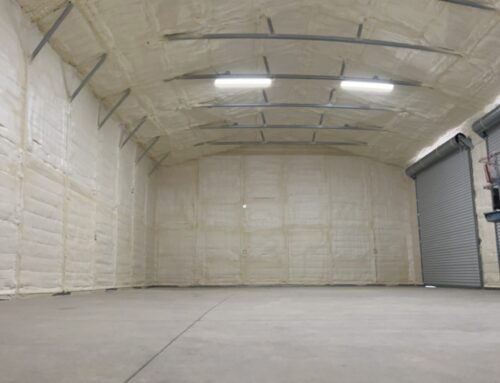
Spray foam insulation is a liquid insulation material that expands upon application to fill gaps and create an airtight seal. It comes in two primary types: open-cell and closed-cell. Open-cell foam is lightweight, less dense, and allows for some air movement, making it ideal for interior applications. Closed-cell foam, on the other hand, is denser and offers a higher R-value (a measure of insulation’s effectiveness), making it suitable for areas that need moisture protection.

Benefits of Spray Foam Insulation for Older Homes
- Enhanced Energy Efficiency
Older homes often lack adequate insulation, allowing drafts and temperature fluctuations that impact comfort and increase utility bills. Spray foam insulation effectively seals gaps and cracks, creating a thermal barrier that prevents air leaks and significantly improves energy efficiency. - Moisture and Mold Prevention
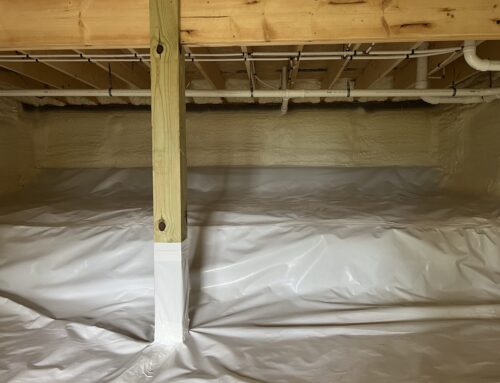
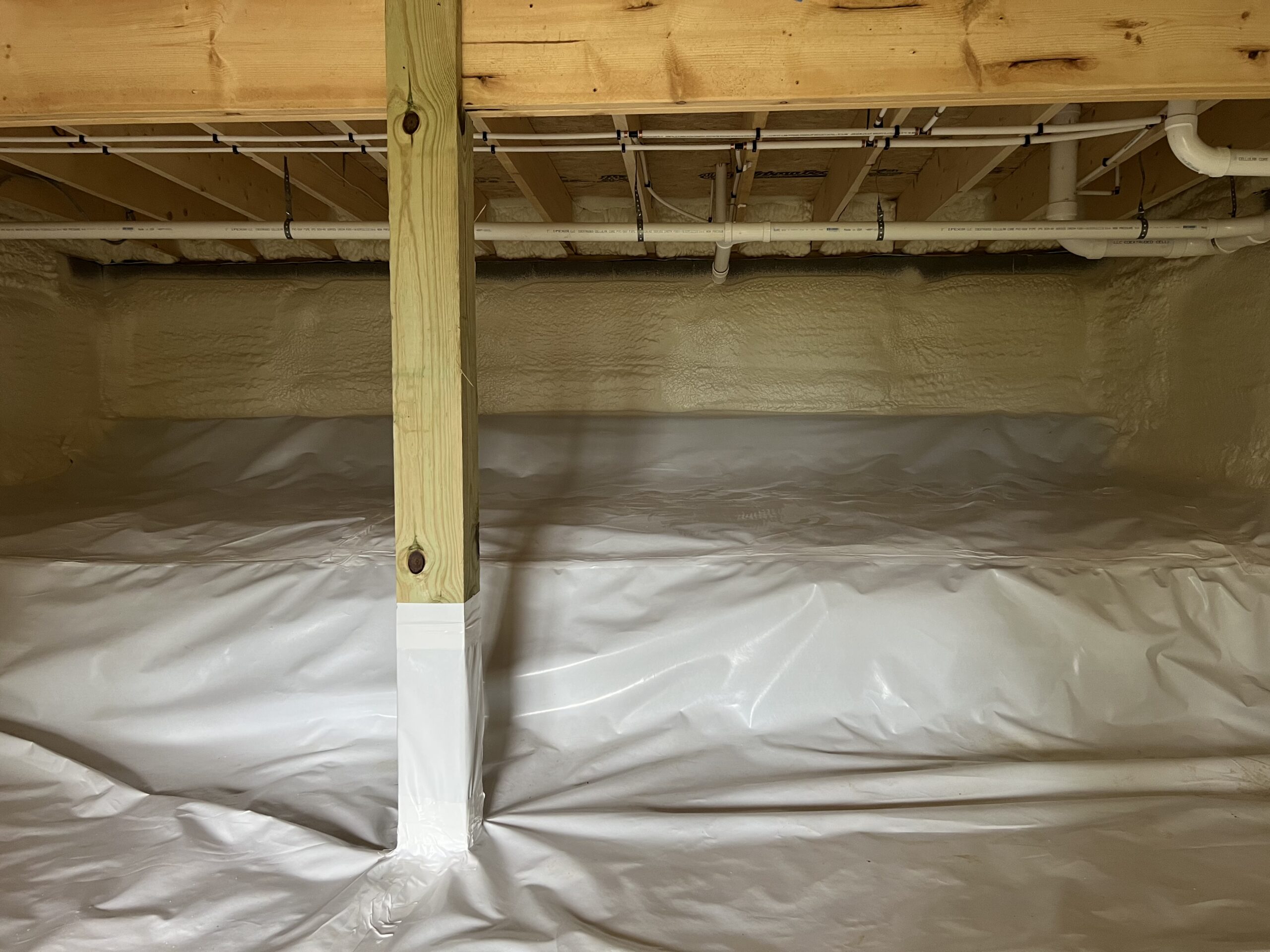
Many older homes are susceptible to moisture problems, especially in basements and crawl spaces. Spray foam insulation offers a moisture-resistant barrier that reduces the chances of mold growth, protecting both the structure and air quality of your home. - Air Quality Improvement
With its ability to seal even the smallest crevices, spray foam insulation minimizes the entry of pollutants, allergens, and dust, contributing to better indoor air quality. This is particularly beneficial for older homes, where gaps in walls and floors can allow unwanted particles to enter. - Increased Structural Strength
Closed-cell spray foam can add structural integrity to walls and ceilings due to its density and rigidity. For older homes with aging frameworks, this added strength can help preserve the structural integrity of the property. - Soundproofing Qualities
Open-cell spray foam has excellent sound-absorbing qualities, reducing noise from both inside and outside the home. This is an added benefit for older homes located in busy neighborhoods or for families seeking a quieter indoor environment.
Challenges of Using Spray Foam in Older Homes
While spray foam offers numerous advantages, it may not be the ideal choice for every older home. There are certain considerations and potential drawbacks homeowners should be aware of:
- Installation Complexity
Spray foam insulation requires professional installation to ensure proper application and ventilation. When installed incorrectly, it can lead to issues such as trapped moisture or chemical odors. - Cost
Compared to traditional insulation methods, spray foam is more expensive upfront. However, the long-term savings on energy bills often offset the initial investment, making it a cost-effective solution over time. - Potential Impact on Historic Homes
In historic or very old homes, adding spray foam insulation could interfere with the structure’s original materials or design. It’s essential to consult with a professional who understands the unique challenges of older homes before deciding to apply spray foam. - Ventilation Adjustments
Older homes were designed to “breathe” naturally, allowing air to circulate through walls and attics. The airtight seal provided by spray foam may necessitate additional ventilation systems to prevent moisture buildup, especially in humid climates.
Why Choose Spray Foam Over Other Insulation Types?
Spray foam insulation’s main advantage over traditional insulation materials like fiberglass or cellulose is its superior air-sealing capability. In older homes where drafts are common, the airtight properties of spray foam can significantly improve comfort and efficiency. Additionally, it offers the advantage of fitting into irregular spaces and tight corners, which are common in older home designs.
Should You Opt for Spray Foam for Your Older Home?
For homeowners in Greenville, SC considering spray foam, consulting with an insulation company Greenville SC can provide insights tailored to your specific needs. A local insulation expert can assess your home’s age, condition, and design to determine if spray foam is a practical choice for you.
Conclusion: Is Spray Foam Worth It?
Spray foam insulation can be a game-changer for older homes, offering energy savings, comfort, and added structural support. However, due diligence is essential. Ensuring proper installation and ventilation can make spray foam insulation a valuable upgrade for your older home. For those seeking expert advice, an insulation company with experience in older homes is invaluable. By taking the time to evaluate your options, you can make an informed decision that enhances your home’s comfort and efficiency for years to come.