Spray foam insulation is well-regarded for its versatility and effectiveness in enhancing a home’s energy efficiency. However, one of the most significant benefits that spray foam insulation offers is its ability to manage moisture—a crucial factor for homeowners looking to protect their homes from dampness and the risk of mold growth.
Why Moisture Control is Vital in Insulation
Moisture can enter a home through walls, ceilings, and even floors, often resulting in condensation, mold growth, and structural damage. Poor moisture management can lead to decreased air quality, health issues, and costly repairs. This is particularly important for homes in areas with high humidity, where moisture control is a year-round challenge. Moisture-resistant insulation options, like spray foam, provide both an air and moisture barrier, helping maintain a dry and comfortable indoor environment.
How Spray Foam Insulation Works
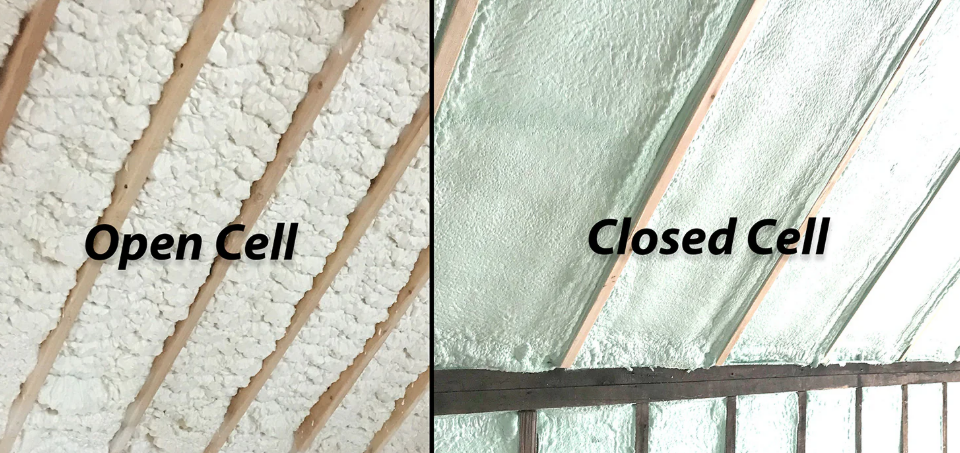
Spray foam insulation is made from two chemical compounds that, when mixed, expand and harden, filling cracks and crevices in walls, attics, and other spaces. The foam creates an airtight seal, preventing air and moisture from penetrating. Its two main types—open-cell and closed-cell—offer different levels of moisture resistance.
- Open-Cell Spray Foam:
Open-cell spray foam is softer, less dense, and slightly porous. It absorbs a small amount of moisture, allowing it to “breathe,” which can prevent moisture build-up in humid climates. Open-cell foam’s breathability can help manage humidity in areas like attic insulation in Greenville, SC, where mild seasonal changes and coastal humidity are typical. - Closed-Cell Spray Foam:
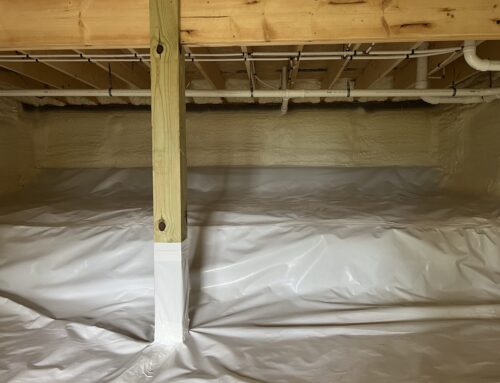
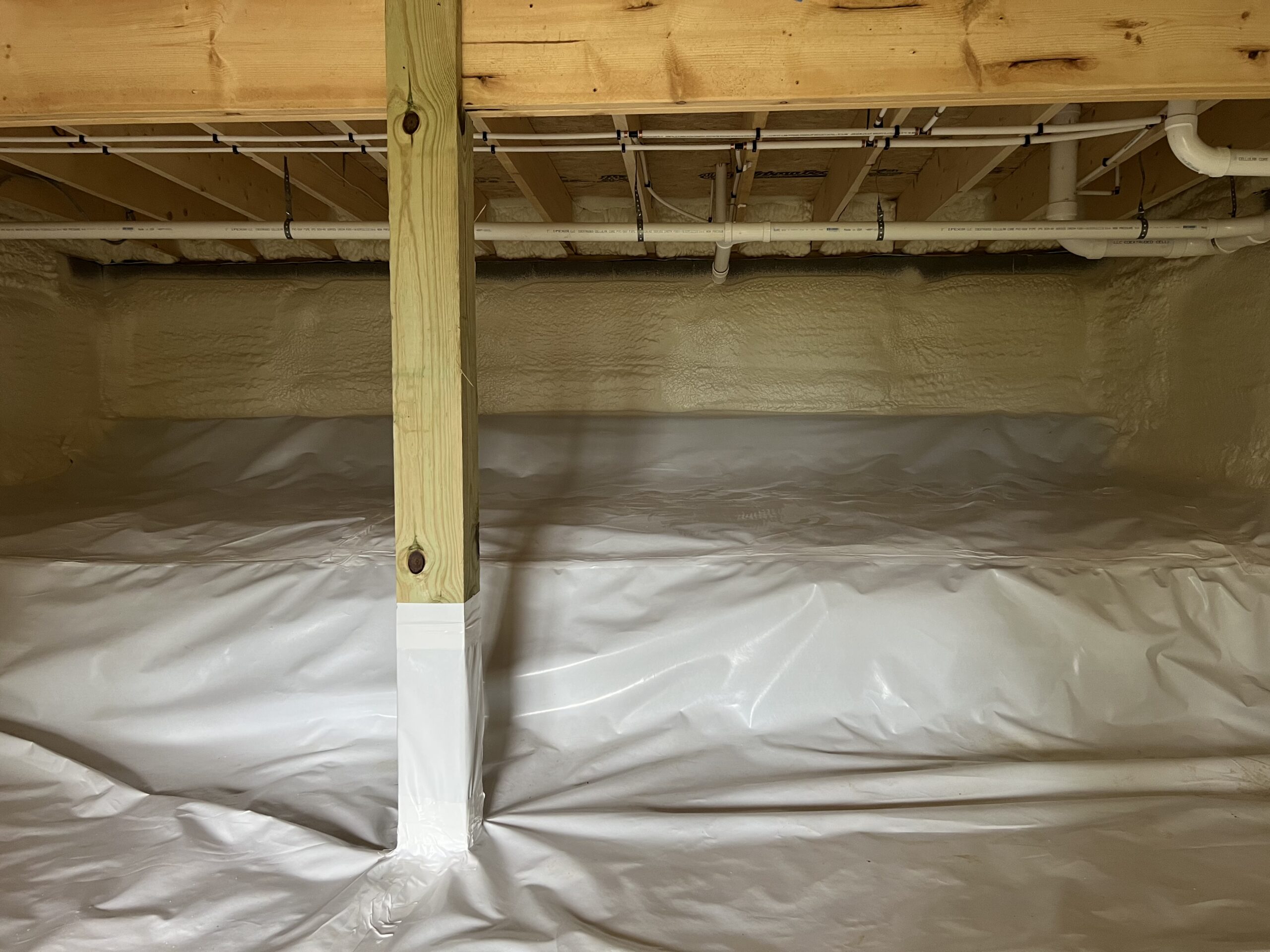
Closed-cell foam, on the other hand, is denser and has a higher resistance to moisture. Its compact structure prevents water from seeping through, making it ideal for areas with potential water exposure or where an impermeable barrier is needed. This type of insulation is commonly used in basements, crawl spaces, and other moisture-prone areas.
The Benefits of Spray Foam’s Moisture Management
- Mold Prevention
Mold thrives in moist environments and can cause serious health problems, including respiratory issues and allergic reactions. Spray foam insulation limits moisture intrusion, creating an environment less conducive to mold growth. - Enhanced Structural Integrity
Excess moisture can weaken a home’s structural components over time. Spray foam insulation’s resistance to water keeps studs, beams, and drywall dry, which can help preserve the integrity of the building. - Increased Energy Efficiency
Spray foam’s airtight properties not only keep moisture out but also prevent air leaks, reducing energy consumption. When paired with attic insulation Greenville, SC, for instance, homeowners can enjoy lower utility bills and a more consistent indoor temperature. - Humidity Control
Open-cell spray foam, in particular, allows for limited moisture absorption, which can help control humidity levels within a home. This is especially useful in climates where high humidity is a concern, as the insulation prevents the buildup of moisture-laden air inside.
Installation Considerations for Moisture Management
Proper installation is crucial to ensuring that spray foam insulation performs as expected. Improper installation can create gaps that allow air and moisture to seep in, undermining the insulation’s moisture resistance. It’s essential to work with a professional installer who understands local climate conditions and how different types of spray foam insulation interact with moisture.
For example, when installing spray foam attic insulation in Greenville, SC, professional installers take into account the area’s climate and unique humidity patterns to recommend the most suitable foam type and application technique. Properly sealing around vents, light fixtures, and other openings is also critical in preventing moisture infiltration.
Maintenance and Longevity
Spray foam insulation is durable and typically requires minimal maintenance. However, periodic inspections can ensure that it remains effective, especially in areas exposed to high humidity. If spray foam insulation is damaged or punctured, it should be repaired promptly to maintain its moisture-resistant properties.
Spray foam’s longevity also contributes to its effectiveness. Unlike other insulation materials that can degrade when exposed to moisture, spray foam retains its shape and insulating properties over time, even in damp conditions. For homeowners in humid regions, this durability can save significant repair and replacement costs.
Final Thoughts
Spray foam insulation offers a powerful solution to managing moisture within a home, providing benefits like mold prevention, energy efficiency, and humidity control. With proper installation and occasional maintenance, spray foam insulation can be a reliable choice for homeowners looking to protect their properties from the adverse effects of moisture.
To learn more about how spray foam can enhance your home’s comfort and moisture resistance, consider consulting with a professional in attic insulation Greenville, SC. Their expertise can help you select the best type of spray foam for your specific needs, ensuring a dry, energy-efficient, and comfortable home for years to come.