When it comes to enhancing your home’s comfort, upgrading insulation is one of the smartest investments you can make. It not only improves energy efficiency but also maintains a comfortable indoor temperature year-round. Whether you’re battling the scorching heat of summer or the cold of winter, quality insulation can make all the difference. Let’s explore how insulation upgrades can bring you ultimate comfort, along with the bonus of reducing energy costs.
Improve Temperature Consistency Throughout the Home
One of the most immediate benefits of upgrading your home’s insulation is the improvement in temperature consistency. Poor insulation often results in uneven temperatures, where some rooms feel colder or hotter than others. With proper insulation, you can maintain an even and comfortable temperature throughout your home. This is especially true when upgrading to advanced materials like spray foam insulation.
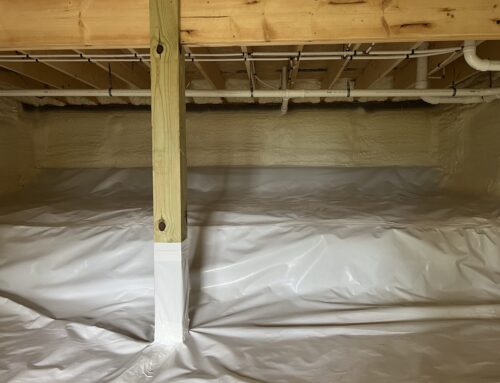
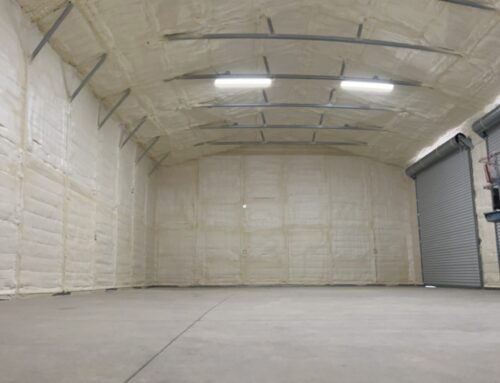
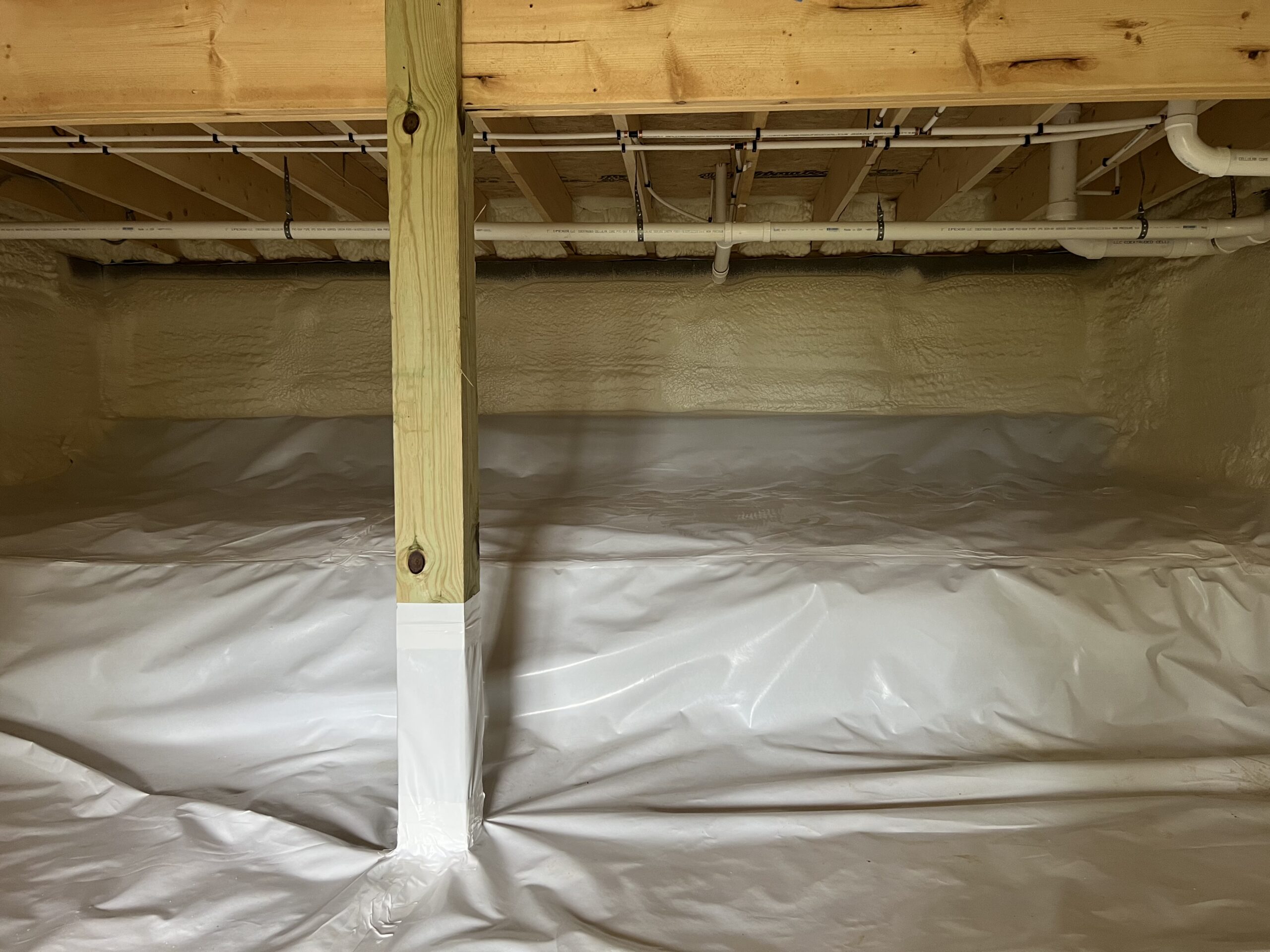
In homes located in regions with extreme weather, like Rock Hill, South Carolina, spray foam insulation can be an ideal choice. Many homeowners choose spray foam insulation Rock Hill SC to ensure their homes stay cozy in the winter and cool in the summer. This type of insulation provides an air-tight seal that minimizes drafts and prevents heat from escaping or entering, giving your home superior climate control.
Boost Energy Efficiency and Lower Bills
Upgraded insulation doesn’t just improve comfort—it also slashes your energy bills. Homes with outdated or insufficient insulation often overwork their heating and cooling systems, which drives up energy costs. When you invest in quality insulation, like spray foam or blown-in cellulose, you effectively reduce the workload on your HVAC system, saving you money in the long run.
Insulation acts as a barrier between your home’s interior and the outdoor environment, meaning your air conditioner or heater doesn’t need to work as hard to maintain a comfortable temperature. Homeowners who install upgraded insulation often see a noticeable reduction in their utility bills within the first few months.
Reduce Noise and Improve Indoor Air Quality
Insulation upgrades aren’t just about controlling temperature—they also enhance your home’s overall living environment. High-quality insulation materials can act as sound barriers, significantly reducing the amount of noise that travels between rooms or from outside into your home. This makes for a quieter, more peaceful living space.
Additionally, certain types of insulation, like spray foam, improve indoor air quality by sealing out pollutants, allergens, and moisture. This can make a major difference for families with allergies or respiratory issues. By preventing the infiltration of dust, pollen, and outdoor pollutants, you’ll enjoy cleaner, fresher air inside your home.
Increase Home Value and Lifespan
Upgrading your insulation not only benefits you in the short term but also increases the long-term value of your home. Buyers are increasingly looking for energy-efficient homes that offer savings and comfort. A home with updated, efficient insulation will attract more buyers and can command a higher price on the market.
Furthermore, insulation protects your home’s structure by preventing moisture buildup, which can lead to mold and damage over time. With better insulation, you extend the lifespan of your home, reducing the need for costly repairs down the line.
Choosing the Right Insulation for Your Home

With various insulation types available—such as fiberglass, cellulose, and spray foam—it’s essential to select the option that best fits your home’s needs and your budget. Whether you’re building a new home or retrofitting an existing one, consulting with insulation professionals ensures you’re making the right decision. They can recommend solutions based on your climate, home size, and energy goals.
To learn more about the different types of insulation and their benefits, visit this comprehensive resource on insulation from the U.S. Department of Energy.