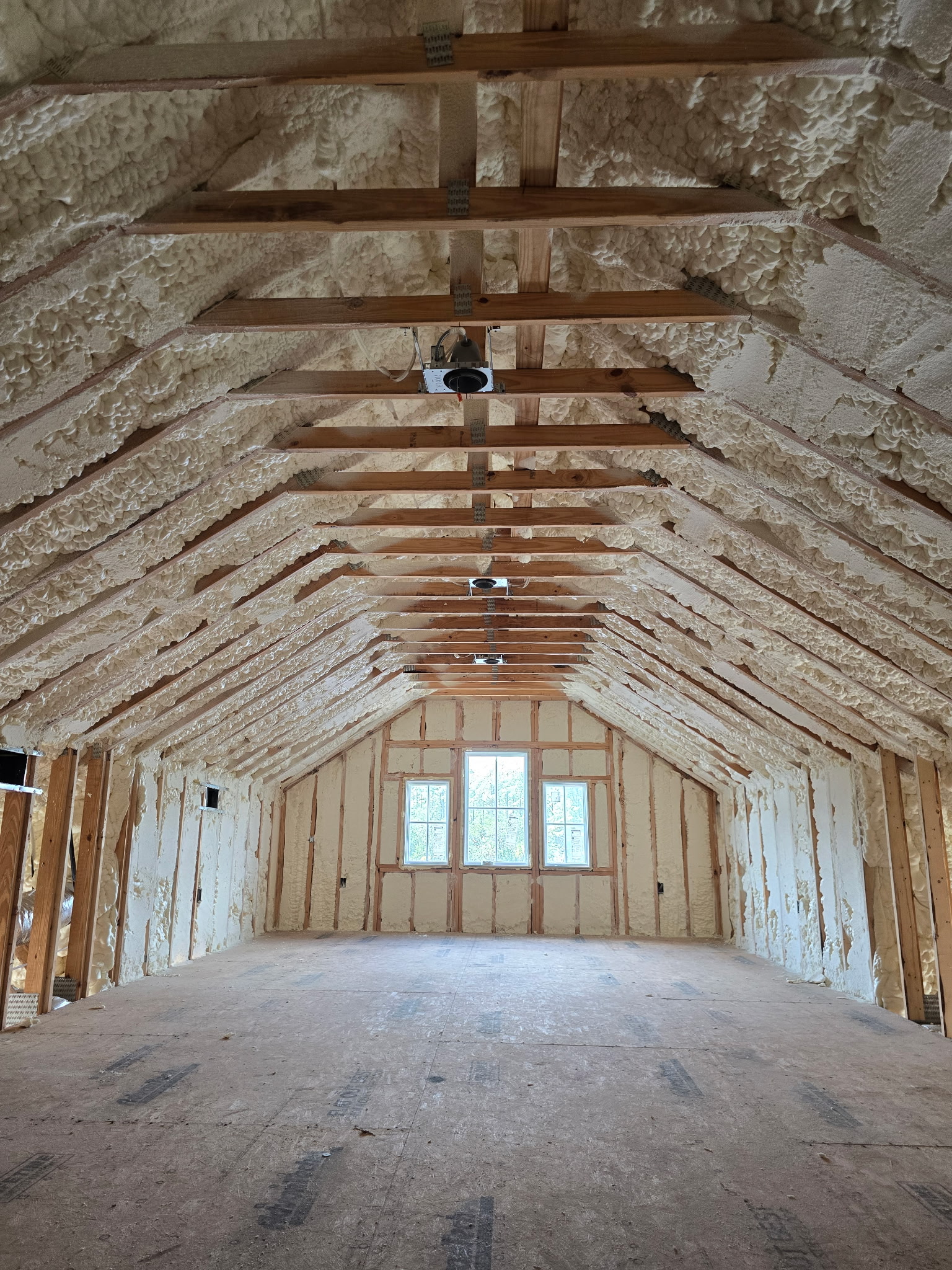
Often, “spray foam” is used as a catchall term to refer to a variety of insulations. Injection foam is sometimes falsely filed under this category. Can foam might even be mistaken as spray foam! Usually, when the term “spray foam” is used, the product in question is spray polyurethane foam. There are two types of spray polyurethane foam, and there are some key differences between them.
Let’s examine those key differences between open cell and closed cell spray foam.
Closed Cell Can Create a Vapor Barrier. Open Cell Cannot.
The two types of spray foam get their names from their cellular structures. Open cell spray foam has an open and irregular structure. Closed cell spray foam has a tighter, more uniform structure. The cell structures dictate how much the foams expand, and their features.
The closed-off cellular structure of closed cell allows it to create a vapor barrier. The open cellular structure of open cell makes a vapor barrier impossible.
A vapor barrier is vapor impermeable, preventing water vapor in the air from passing through the foam. This feature is useful in some above-grade applications and necessary for most below-grade applications.
Open Cell Can Dampen Sound Well. Closed Cell Cannot.
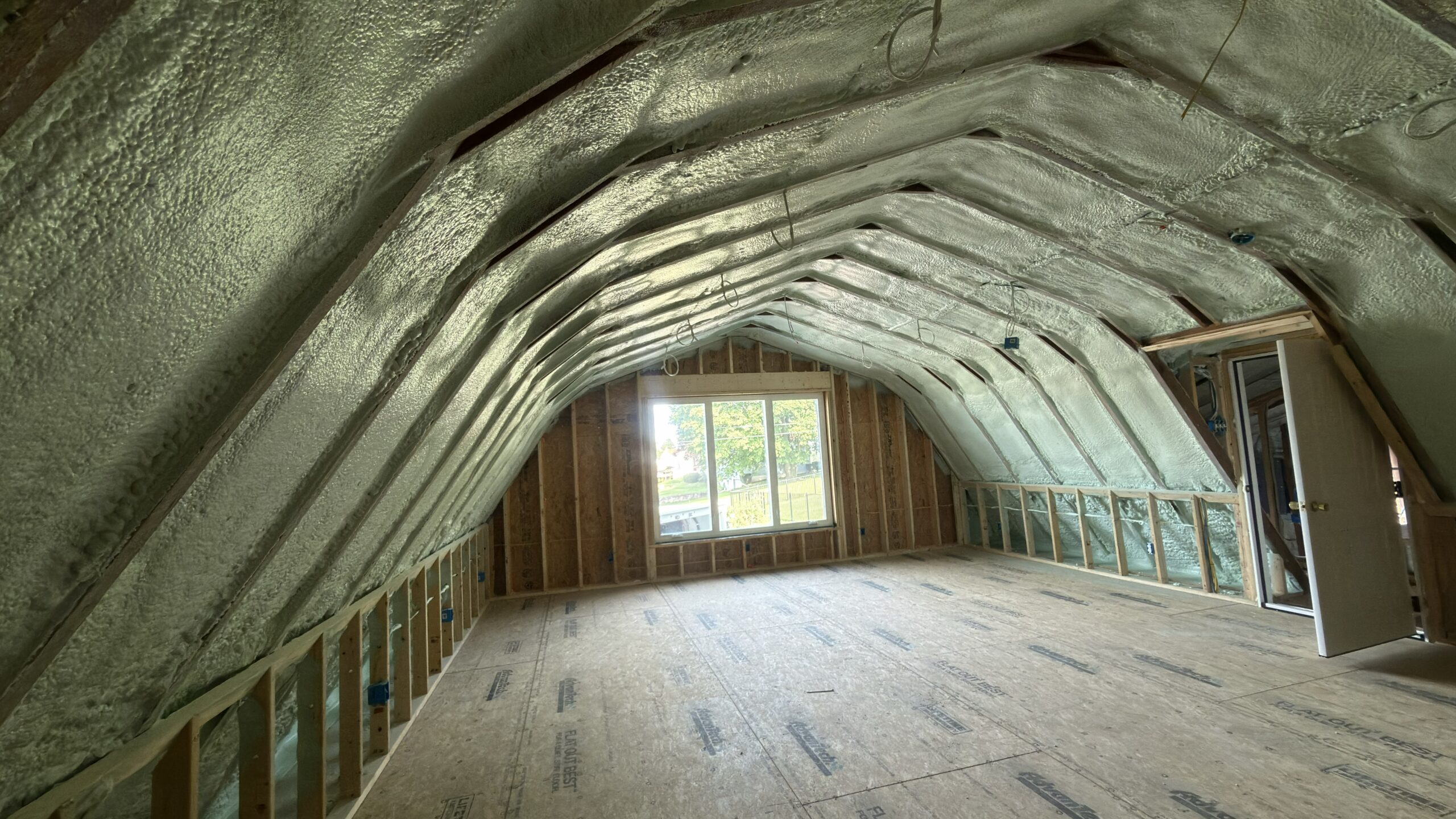
The open cellular structure of open cell can absorb sound waves. Closed cell does not have an ideal cell structure for sound dampening. Both foams can create an air barrier, which is useful in the thermal envelope. But open cell spray foam is the preferred foam for exterior walls and attic encapsulations, if the goal is sound control.
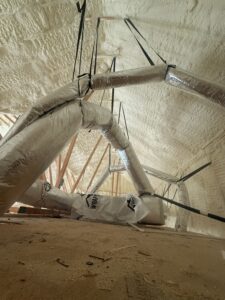
Open Cell Has Fewer Application Options than Closed Cell.
Closed cell spray foam is a more versatile product than open cell. As a general rule, closed cell can be applied to a greater variety of surfaces. Closed cell is also the foam that can be used underground.
Open Cell Substrates by Climate Zone
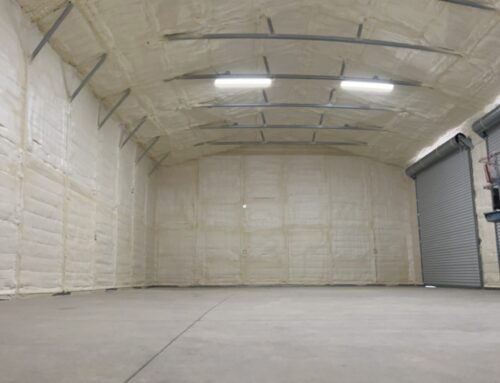
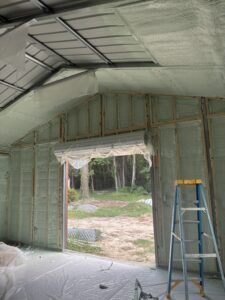
How open cell is used varies by climate zone. In our service area, we usually cannot recommend using open cell spray foam on any substrate besides wood. Open cell is not an ideal option for metal or masonry in our climates. With more extreme temperatures, an insulation with no vapor barrier can become problematic when installed on a highly conductive substrate like metal. There can be the concern of condensation if applying open cell to a metal garage or pole building for some areas of the Carolinas. Our preference for metal buildings is closed cell spray foam.
Open Cell Applications by Grade
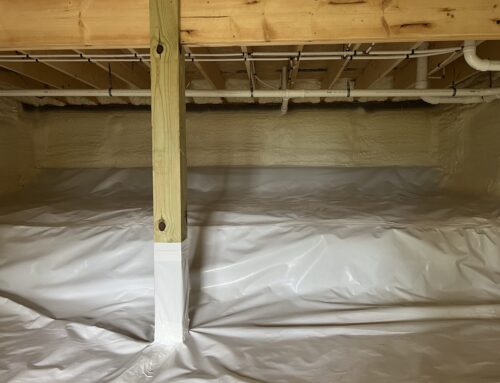
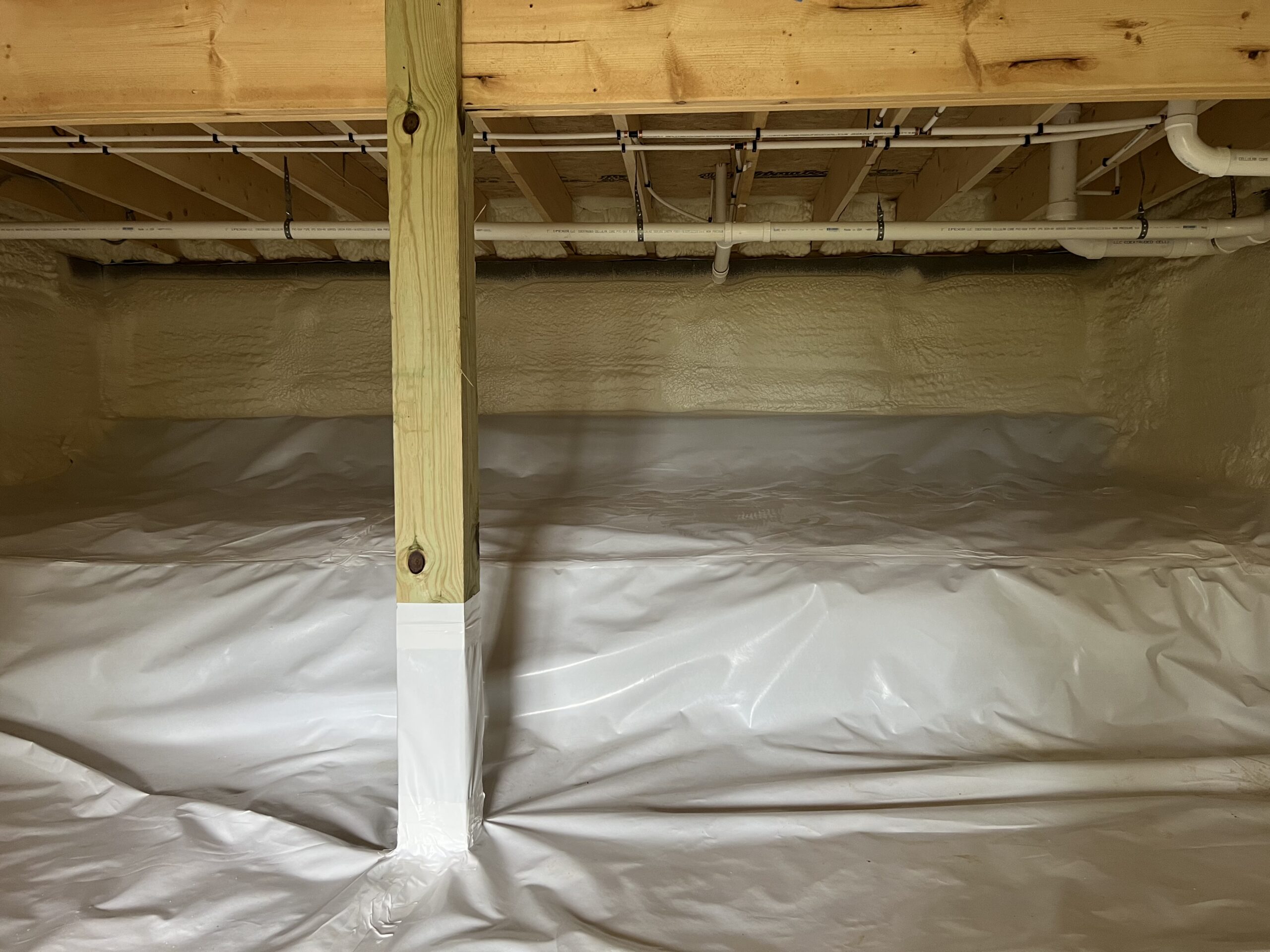
No matter the climate zone, open cell spray foam is not appropriate for below-grade use. Underground areas like basements, crawl spaces, and underslab have too much moisture. For below-grade applications, closed cell spray foam with its vapor barrier is the preferred foam.
Closed Cell Is More Expensive than Open Cell.
While both types of spray foam are considered expensive, closed cell spray foam is the pricier of the two. One of the factors driving this price difference is yield.
Imagine starting with equal amounts of raw material. Both foams require two drums of components: an A-side drum and a B-side drum. Open cell spray foam expands more and has a greater yield. Closed cell expands less and has less yield.
Despite both types of foam using a one-to-one ratio, closed cell spray foam will require more raw components to insulate the same square footage. You may start with the same quantity of raw material, but there’s a difference in the amount of finished material.
Choose Your Foam by Climate Zone, Project Type, and Goals
If you still have questions about which foam is right for you, we recommend reaching out to our team at A-1 Insulation. You can call us at (864) 501-0628.