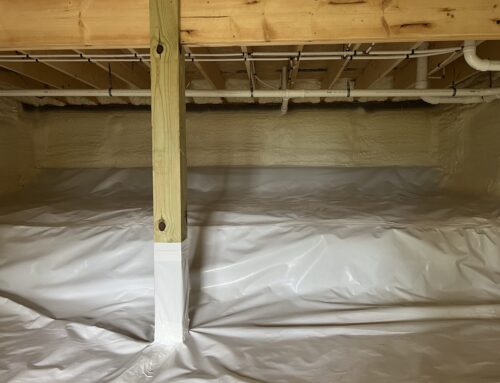
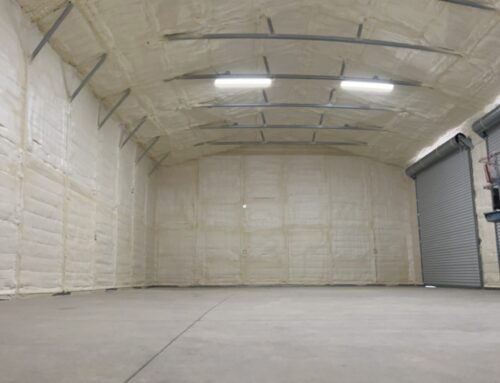
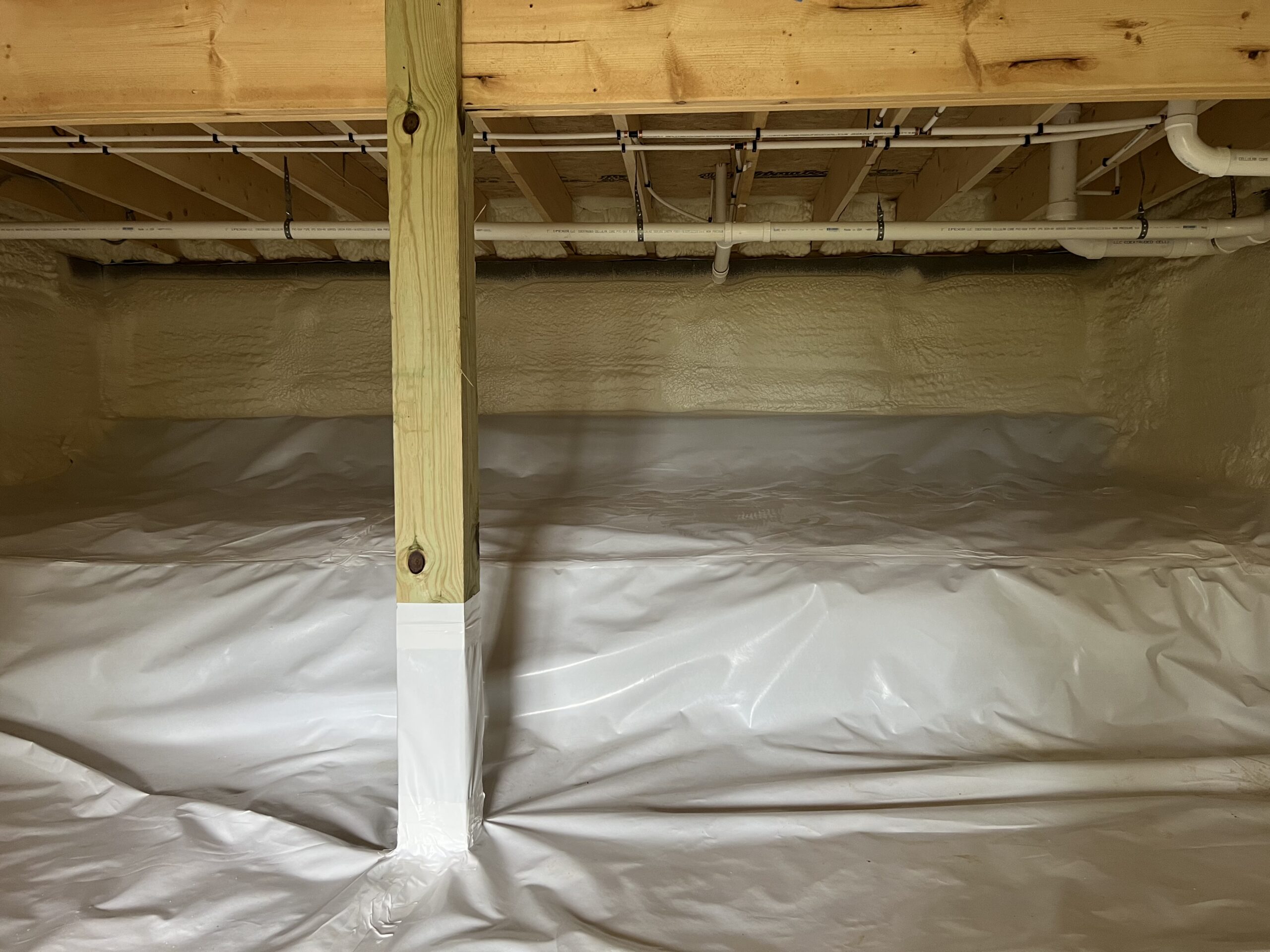
Moisture is a formidable enemy of home insulation, and spray foam is no exception. Homeowners often wonder about the potential risks and consequences when their insulation becomes wet. Understanding how moisture impacts spray foam can help prevent long-term damage and maintain your home’s energy efficiency and structural integrity.
Understanding Spray Foam Insulation’s Moisture Sensitivity
Spray foam insulation is designed to create an airtight seal, which typically makes it more resistant to moisture compared to traditional insulation materials. However, this doesn’t mean it’s completely immune to water-related problems. When spray foam gets wet, several critical issues can arise that potentially compromise its performance and your home’s overall protection.
The type of spray foam matters significantly in how it responds to moisture. Open-cell and closed-cell spray foams have different characteristics when exposed to water. Closed-cell spray foam is more water-resistant and can typically withstand moisture better than its open-cell counterpart. This distinction becomes crucial when assessing potential damage and necessary remediation steps.

Immediate Consequences of Wet Spray Foam
When spray foam insulation becomes saturated, its insulating properties can be severely compromised. Water infiltration can reduce the foam’s R-value, which measures its thermal resistance. This means your home becomes less energy-efficient, potentially leading to increased heating and cooling costs. Additionally, wet insulation can create an ideal environment for mold and mildew growth, posing potential health risks to inhabitants.
The structural implications of wet spray foam extend beyond simple energy inefficiency. Prolonged moisture exposure can lead to wood rot, decay, and potential structural weakening in your walls, roof, or attic insulation Greenville SC installations. The moisture can spread to surrounding building materials, creating a cascade of potential damage that goes far beyond the initial wet insulation.
Potential Long-Term Risks and Damage
Unaddressed moisture in spray foam insulation can lead to significant long-term problems. Continuous water exposure can cause the foam to break down, lose its structural integrity, and become less effective at insulating. In some cases, the wet insulation might need complete removal and replacement, which can be a costly and time-consuming process.
Mold growth is perhaps the most concerning long-term risk. Damp insulation provides an ideal breeding ground for various mold species, which can spread quickly through walls and ceilings. These mold colonies not only compromise your home’s air quality but can also cause respiratory issues and allergic reactions for inhabitants.
Prevention and Remediation Strategies
Preventing moisture infiltration is always preferable to dealing with its consequences. Regular roof inspections, proper ventilation, and addressing any potential water entry points can help protect your spray foam insulation. If you discover wet insulation, it’s crucial to identify and eliminate the moisture source before attempting any repairs.
Professional assessment is recommended when significant moisture is detected. Certified insulation experts can determine the extent of the damage and suggest appropriate remediation techniques. In some instances, they might recommend carefully removing and replacing the affected insulation to prevent further structural damage.
Homeowners should also consider installing vapor barriers and ensuring proper home maintenance to minimize moisture risks. Adequate attic ventilation, fixing roof leaks promptly, and managing indoor humidity levels can significantly reduce the likelihood of spray foam insulation becoming wet.
Conclusion:
While spray foam insulation offers excellent protection against air and moisture infiltration, it’s not completely impervious to water damage. Understanding the potential risks, implementing preventive measures, and addressing moisture issues promptly can help maintain your home’s insulation effectiveness and structural integrity.
By staying informed and proactive, homeowners can protect their investment and ensure their spray foam insulation continues to provide optimal thermal performance and protection for years to come.