

Attic insulation is often associated with keeping homes warm during winter. However, its role in cooling homes in warm climates is just as crucial. For homeowners in areas with high temperatures, like the Southeast or places like Greenville, SC, attic insulation can significantly enhance comfort, reduce energy costs, and even extend the lifespan of HVAC systems. Let’s explore why attic insulation is essential in warmer regions, the types of insulation that work best, and how it ultimately affects your home’s efficiency.
Why Is Attic Insulation Important in Warm Climates?
In warm climates, the attic space can reach scorching temperatures. Without proper insulation, this heat can radiate into the living spaces below, causing the air conditioning system to work harder and longer to maintain a comfortable indoor temperature. By acting as a barrier, attic insulation helps to prevent this heat transfer, making it easier and more affordable to keep your home cool.
Proper attic insulation offers several benefits:
- Reduced Energy Costs: Since insulation helps to maintain a stable indoor temperature, it reduces the need for continuous cooling. This translates to significant savings on monthly energy bills.
- Improved Indoor Comfort: A well-insulated attic means your home will stay cooler, even during peak summer temperatures, making your living spaces more comfortable.
- Longer Lifespan for HVAC Systems: When your air conditioning system doesn’t have to work as hard, it experiences less wear and tear, which can extend its lifespan and reduce maintenance costs.
How Does Insulation Work in Warm Climates?
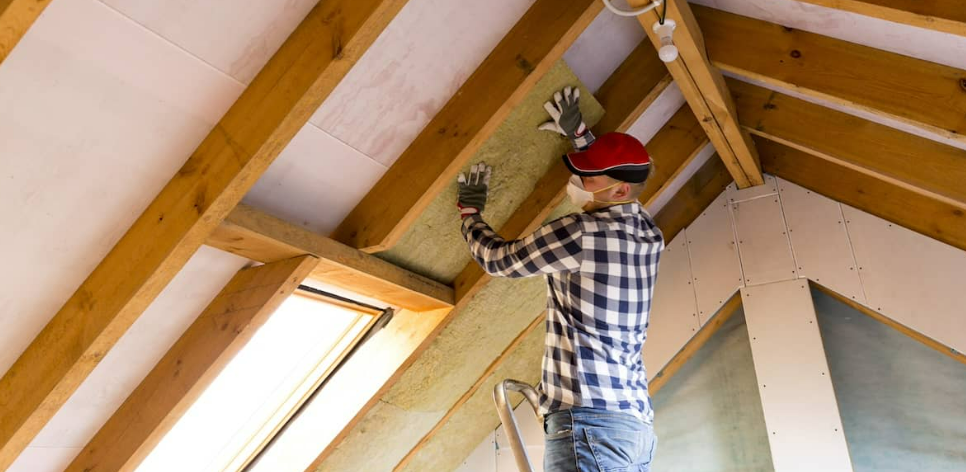
Insulation acts as a thermal barrier, reducing heat flow in or out of a home. During hot weather, it works to keep the outdoor heat from penetrating the interior. In attics, insulation is especially effective since most of the heat gain occurs from the roof. By insulating the attic, you reduce the amount of heat that enters the home through this critical area.
In warmer climates, the R-value of insulation (a measure of its resistance to heat flow) should still be considered. The Department of Energy recommends an R-value between R-30 and R-49 for attics in hot climates. Choosing the right type and amount of insulation ensures optimal effectiveness for cooling purposes.
Types of Insulation for Warm Climates
Several types of insulation can be effective in hot climates, each with unique benefits. Here are some of the most common types:
- Spray Foam Insulation Spray foam insulation is a popular choice due to its high R-value and ability to fill gaps and crevices, creating a nearly airtight seal. This seal prevents both hot air from entering and conditioned air from escaping, making it highly efficient for warm climates. For those in the Greenville area, considering spray foam insulation Greenville SC can be a smart investment in reducing cooling costs and improving indoor comfort.
- Radiant Barrier Insulation Radiant barriers are effective in warm climates because they reflect heat rather than absorbing it. This insulation type consists of a reflective material, often aluminum foil, applied to the underside of the roof deck. Radiant barriers work best in combination with other insulation types to further reduce heat gain.
- Fiberglass Insulation Fiberglass is a cost-effective and widely available insulation material that comes in batts or loose-fill form. While it doesn’t provide the airtight seal of spray foam, it can still be effective when installed correctly, especially if paired with radiant barriers.
- Cellulose Insulation Cellulose, made from recycled paper treated with fire retardants, is another option for attic insulation. It offers good thermal resistance and is particularly effective when blown into hard-to-reach areas. However, it may not be as moisture-resistant as other types, so it’s essential to assess humidity levels in the attic before installation.
Factors to Consider When Choosing Insulation
When selecting insulation for a warm climate, there are several factors to consider:
- R-Value: Higher R-values indicate better resistance to heat flow. Aim for the recommended R-value for your region to ensure optimal performance.
- Moisture Resistance: Some insulation types, like spray foam, are more resistant to moisture than others. In humid regions, moisture resistance is crucial to prevent mold growth and ensure durability.
- Air Sealing: In addition to thermal resistance, insulation that creates an airtight seal is highly beneficial in warm climates to prevent heat from seeping into your living spaces.
The Role of Ventilation
While insulation plays a major role in keeping a home cool, attic ventilation is equally important. Proper ventilation allows hot air to escape the attic, reducing the temperature and lessening the burden on your insulation. Ridge vents, soffit vents, and attic fans are common solutions that help maintain a balanced attic environment. When insulation and ventilation work together, they create a more efficient barrier against outdoor heat.
Common Myths About Attic Insulation in Warm Climates
There are a few misconceptions about attic insulation in warm climates:
- Myth: Insulation is only necessary in cold climates.
- Reality: Insulation benefits homes in all climates by stabilizing indoor temperatures and improving energy efficiency.
- Myth: Thicker insulation is always better.
- Reality: While a certain level of thickness is necessary, achieving the correct R-value is more important than just adding more material. Beyond the optimal thickness, added insulation may yield diminishing returns.
- Myth: Radiant barriers alone are enough for insulation.
- Reality: Radiant barriers are effective in reducing heat gain, but they work best when combined with other insulation types for comprehensive temperature control.
Conclusion: Is Attic Insulation Worth It in Warm Climates?
Yes, attic insulation is absolutely worth it in warm climates. By creating a thermal barrier in your attic, insulation helps reduce energy costs, improve indoor comfort, and extend the lifespan of HVAC systems. Options like spray foam and radiant barriers are particularly effective in hot climates due to their high R-values and reflective properties. Homeowners in warm areas, including those in places like Greenville, SC, should consider their insulation choices carefully to maximize the benefits and ensure long-term comfort and savings.
By investing in high-quality attic insulation, you can enjoy a cooler, more energy-efficient home all year round, even during the hottest summer days.

